Victory and the Thaw
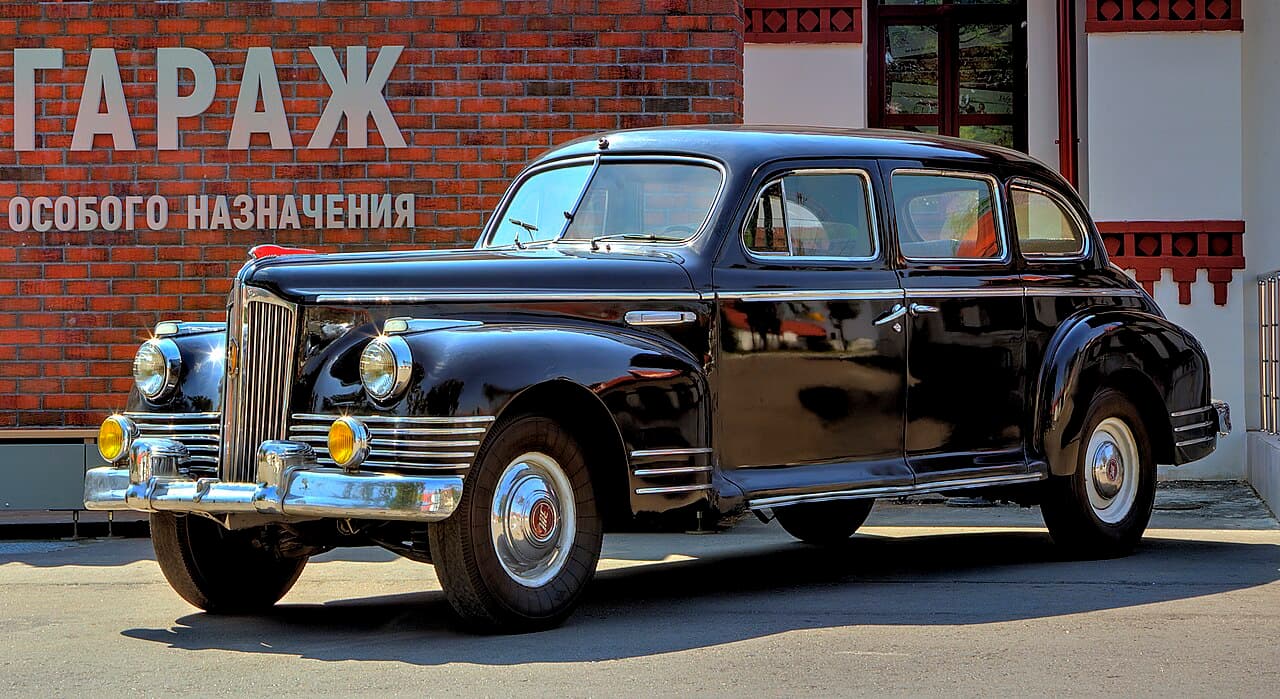
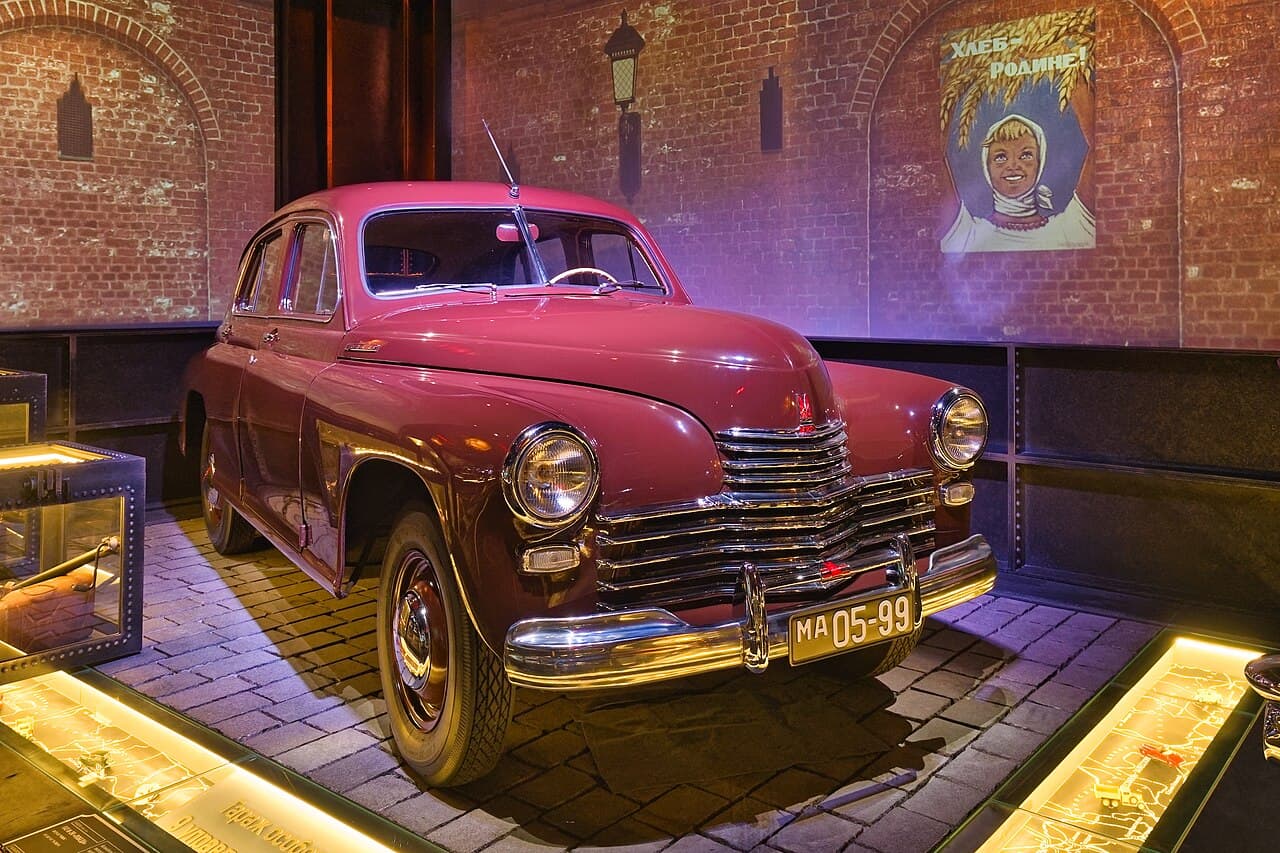
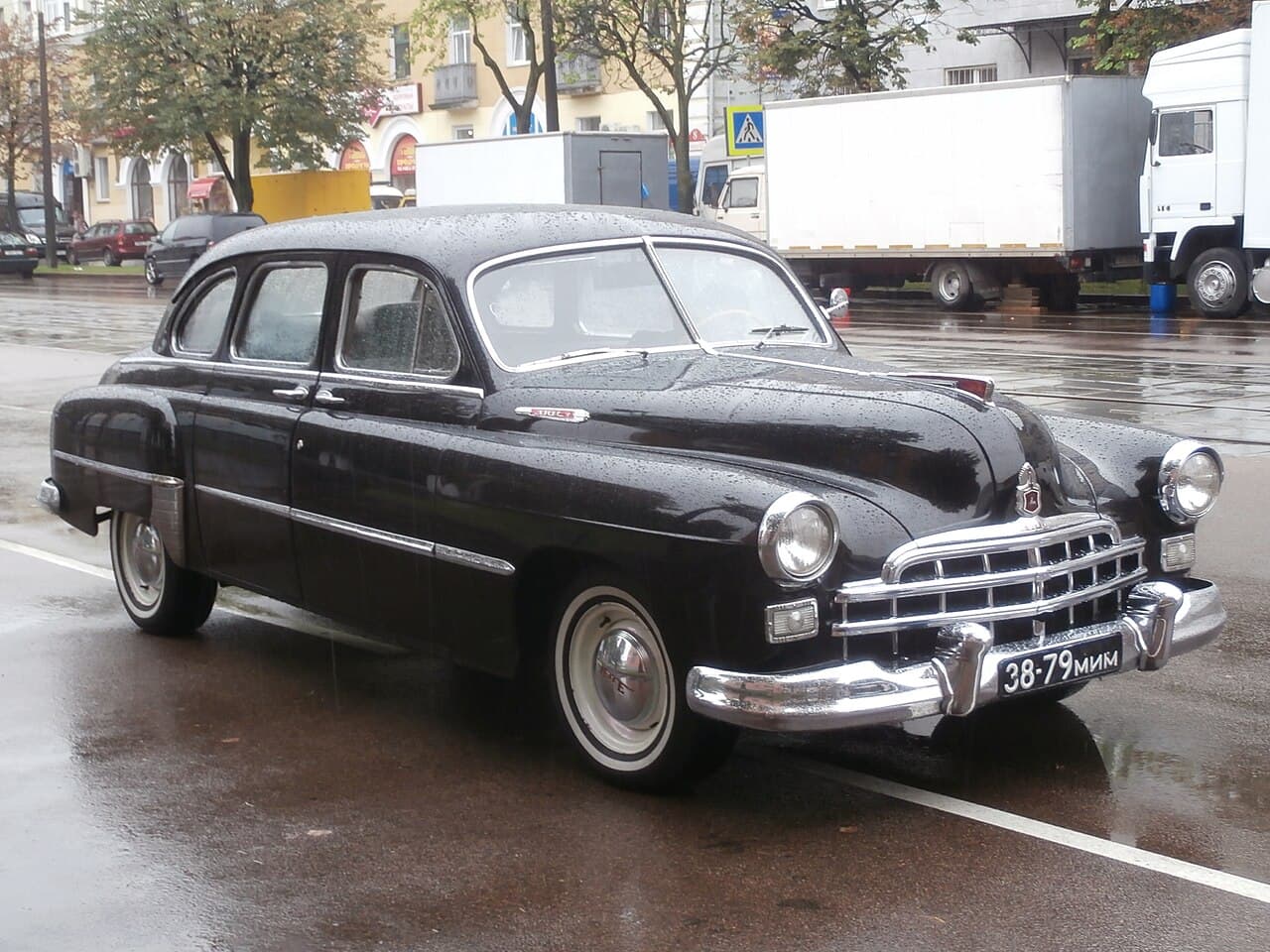
The country rises from the ruins. Plants evacuated to the east return and re-equip. Legends are born: the Pobeda with its full-width body, the luxurious ZIS-110 built for Stalin, and the GAZ-21 Volga. For the first time cars go on sale to ordinary citizens at state prices — though the waiting lists run for years.
Historical background
1945: victory in the Second World War. 1953: Stalin's death. 1956: the 20th Party Congress opens Khrushchev's Thaw. 1957: Sputnik. 1958: the Brussels World's Fair, where the GAZ-21 wins a Grand Prix. For the first time the Soviet industry designs its own cars rather than building licensed copies.
An average wage is 600–900 roubles a month (60–90 after the 1961 currency reform). The GAZ-M20 Pobeda costs 16,000 old roubles, the Moskvich-407 about 25,000 — two or three years of wages. The waiting-list system for cars begins.
Key events
- 1945HistoryVictory Day
On 9 May the war ends and the plants begin the switch back to civilian production
- 1945Model
Production starts of the ZIS-110 state limousine, the “Soviet Packard”
- 1946Model
One of the world's first production cars with a full-width body, and a symbol of post-war recovery
- 1953HistoryStalin's death
On 5 March Joseph Stalin dies and the country begins to change
- 1956Model
The legendary Volga arrives, with a star on its radiator grille
- 1957CultureSputnik
On 4 October the first artificial satellite is launched and the space age begins
- 1958Sport
The GAZ-21 wins a Grand Prix at the Expo-58 World's Fair in Brussels
- 1958Model
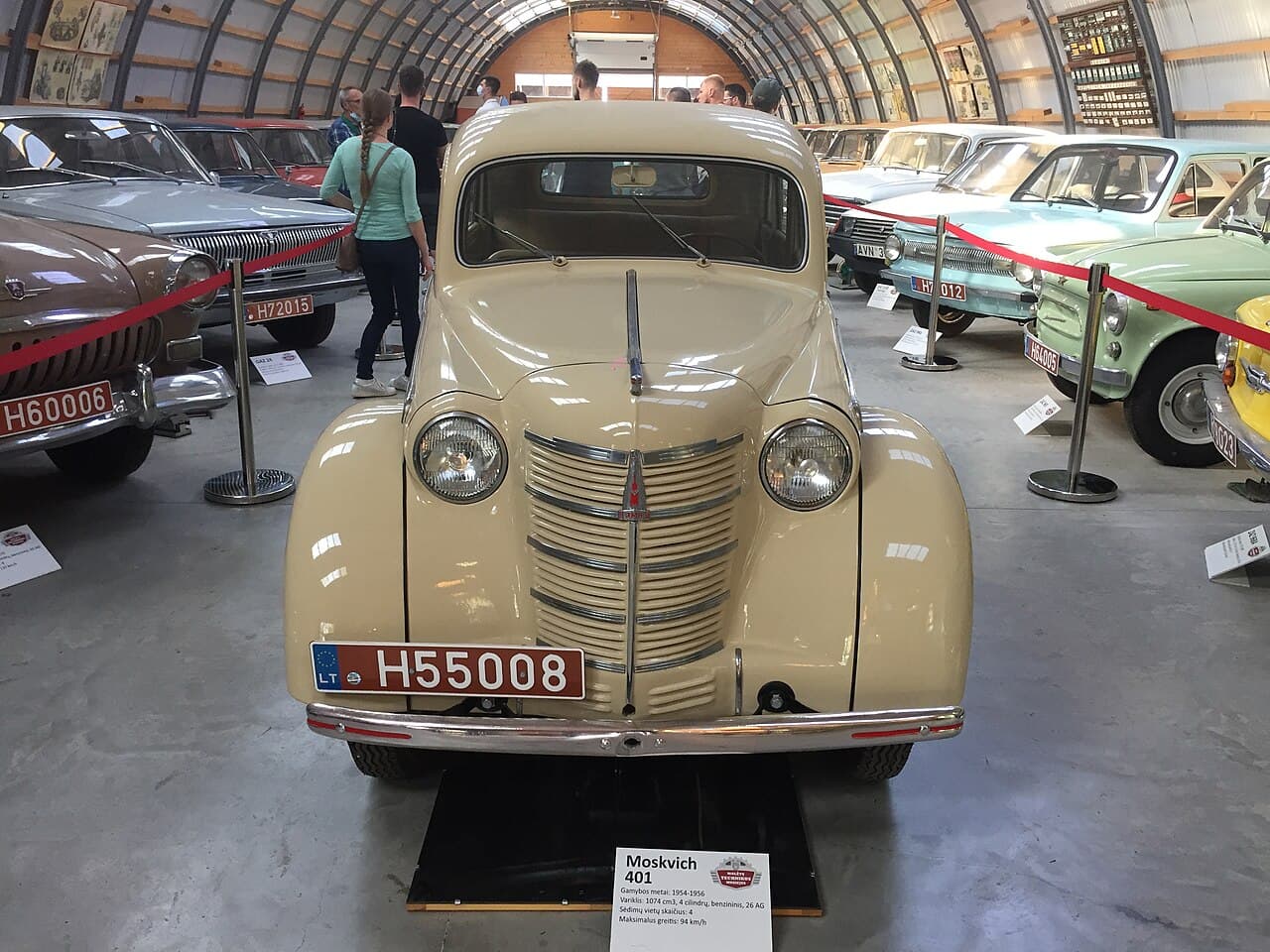
The people's Moskvich goes into production — one of the first cars citizens could buy
Models of the era
All 26 in the catalog