Eras
The Soviet motor industry is the story of a country cast in metal: from licence-built Fords to the Niva and the front-wheel-drive Samara.
Foundation and Industrialisation
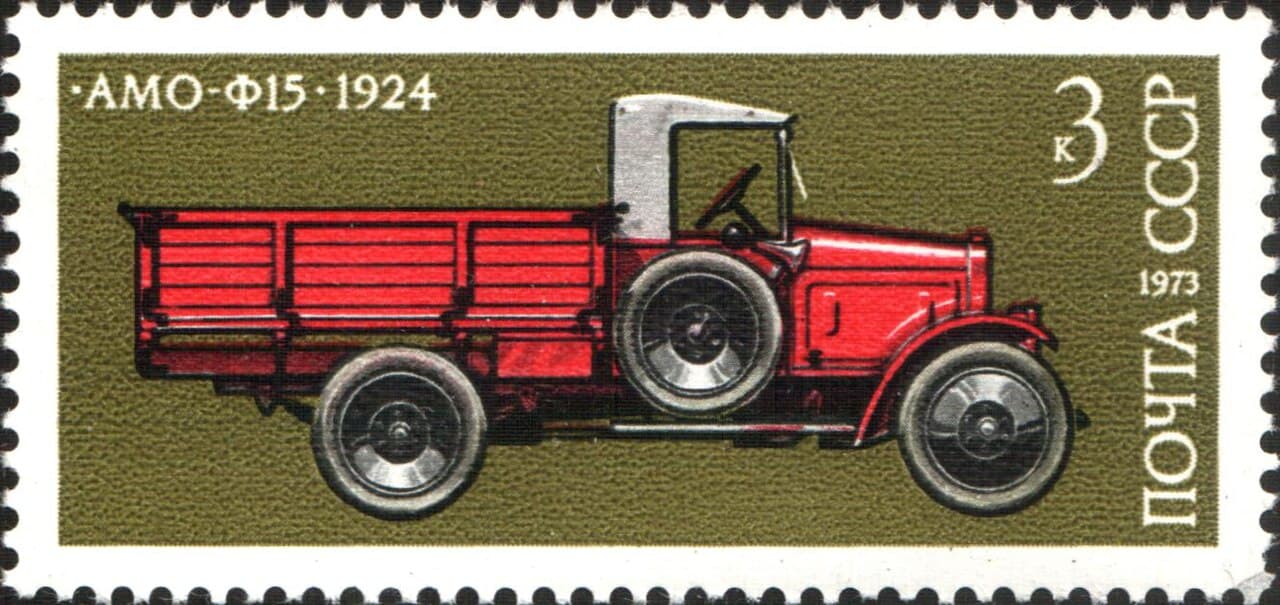
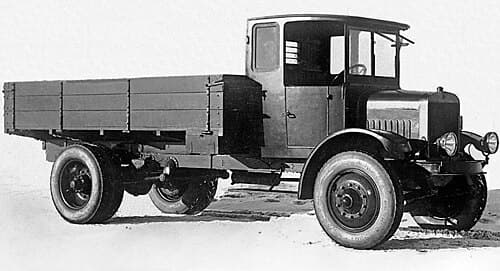
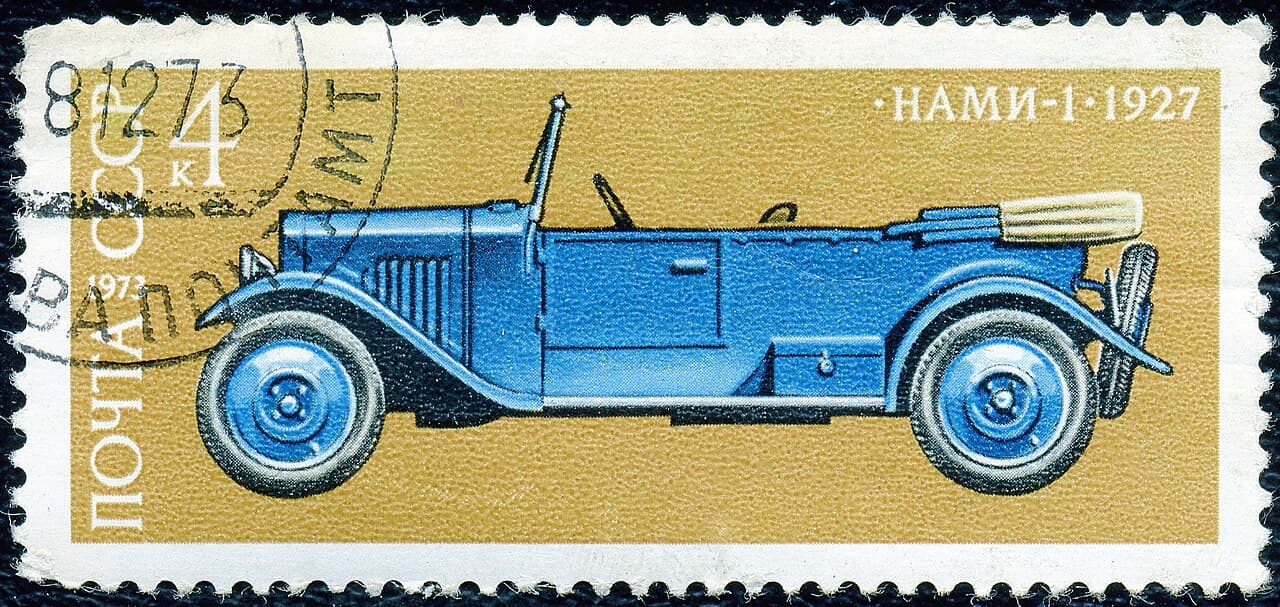
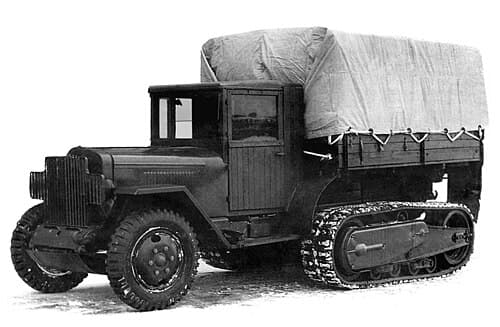
The era of the first five-year plans and headlong industrialisation. The USSR builds a motor industry from nothing with help from Ford. Vast plants rise in Gorky and Moscow, and the first passenger cars — still copies of American designs — come off the lines. A car is a state asset and a privilege of the nomenklatura.
Victory and the Thaw
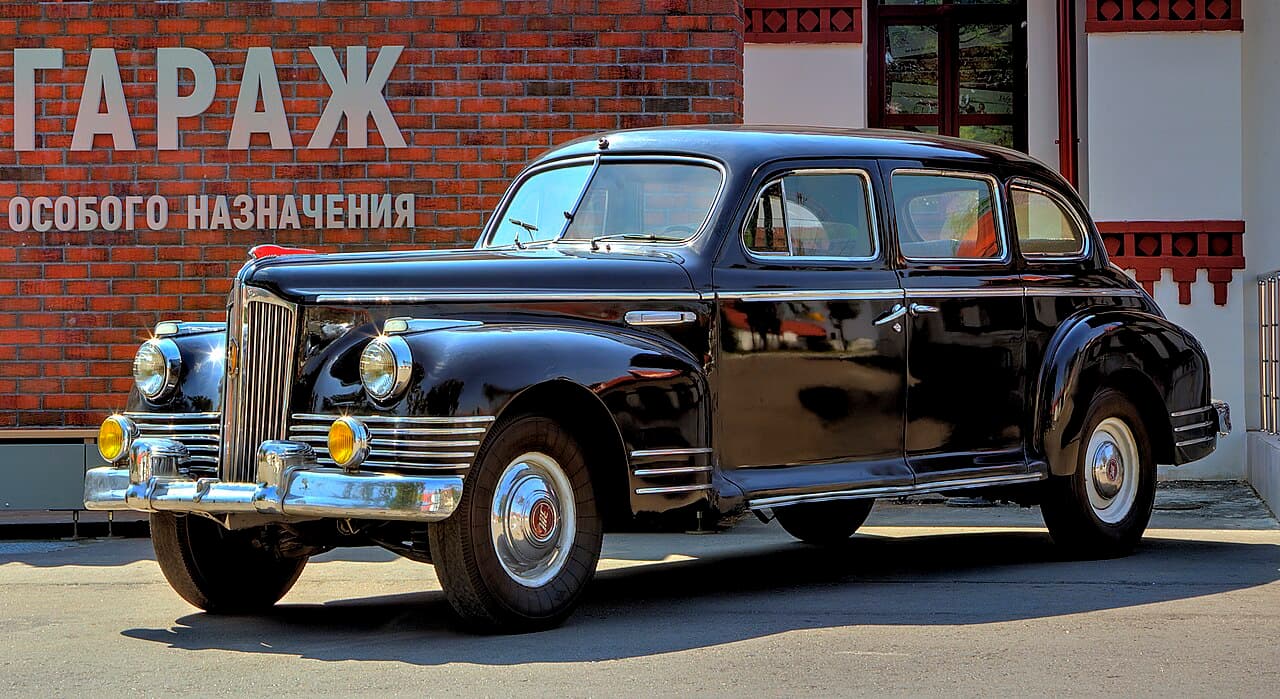
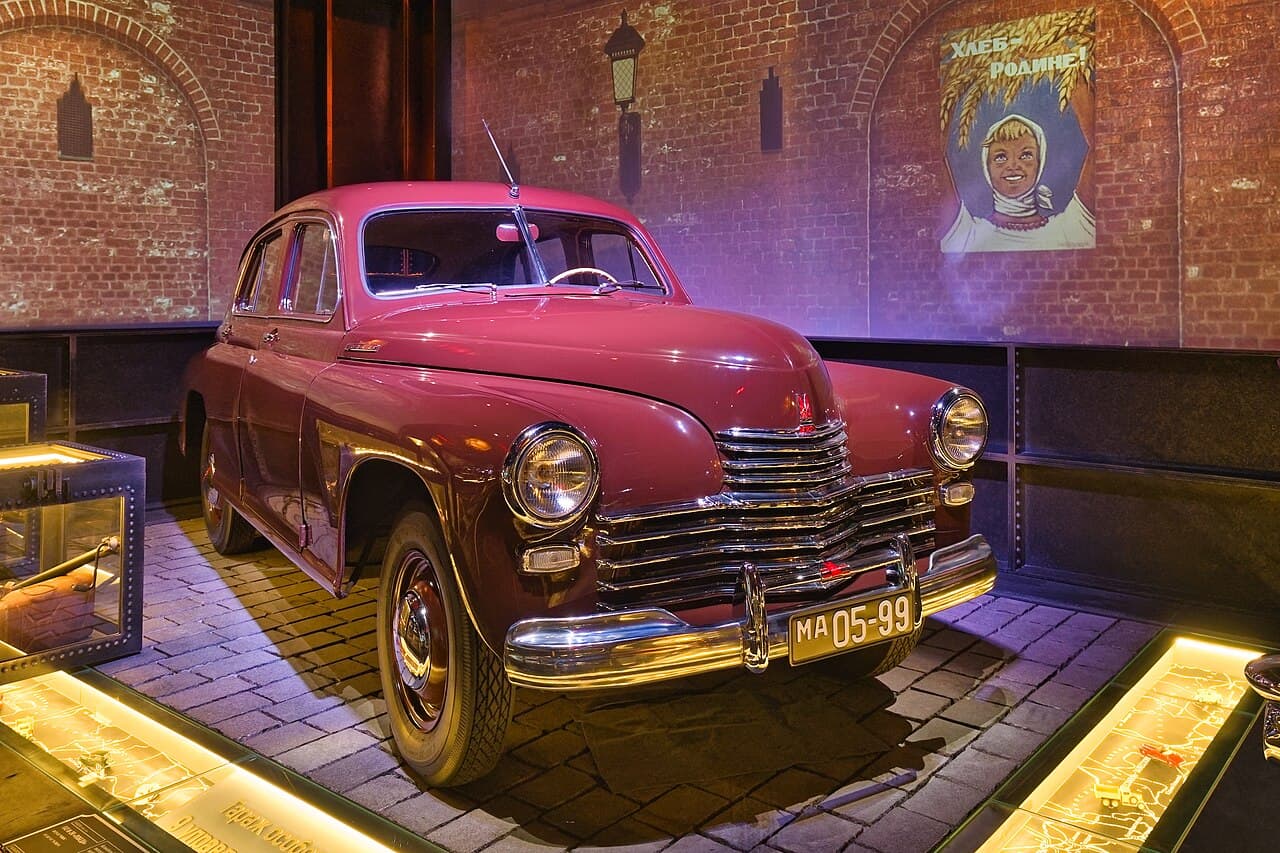
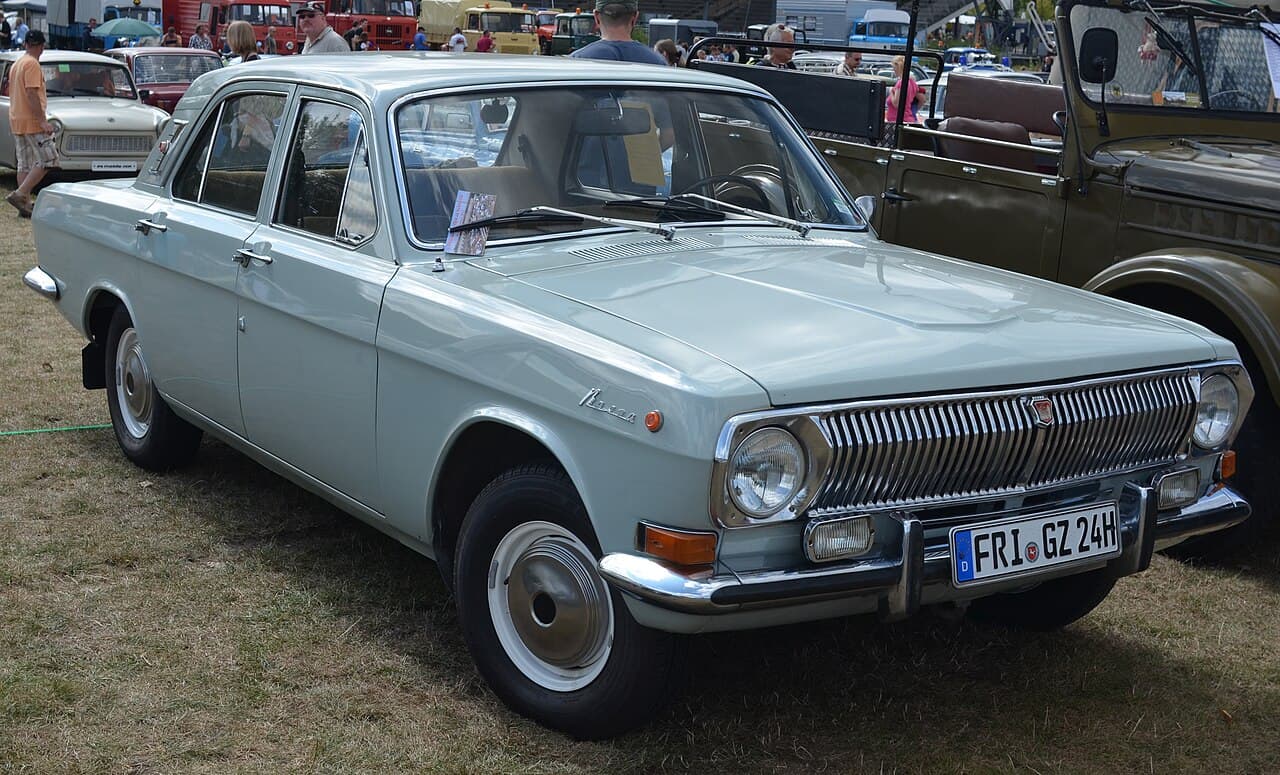
The country rises from the ruins. Plants evacuated to the east return and re-equip. Legends are born: the Pobeda with its full-width body, the luxurious ZIS-110 built for Stalin, and the GAZ-21 Volga. For the first time cars go on sale to ordinary citizens at state prices — though the waiting lists run for years.
The Golden Era and the Export Breakthrough
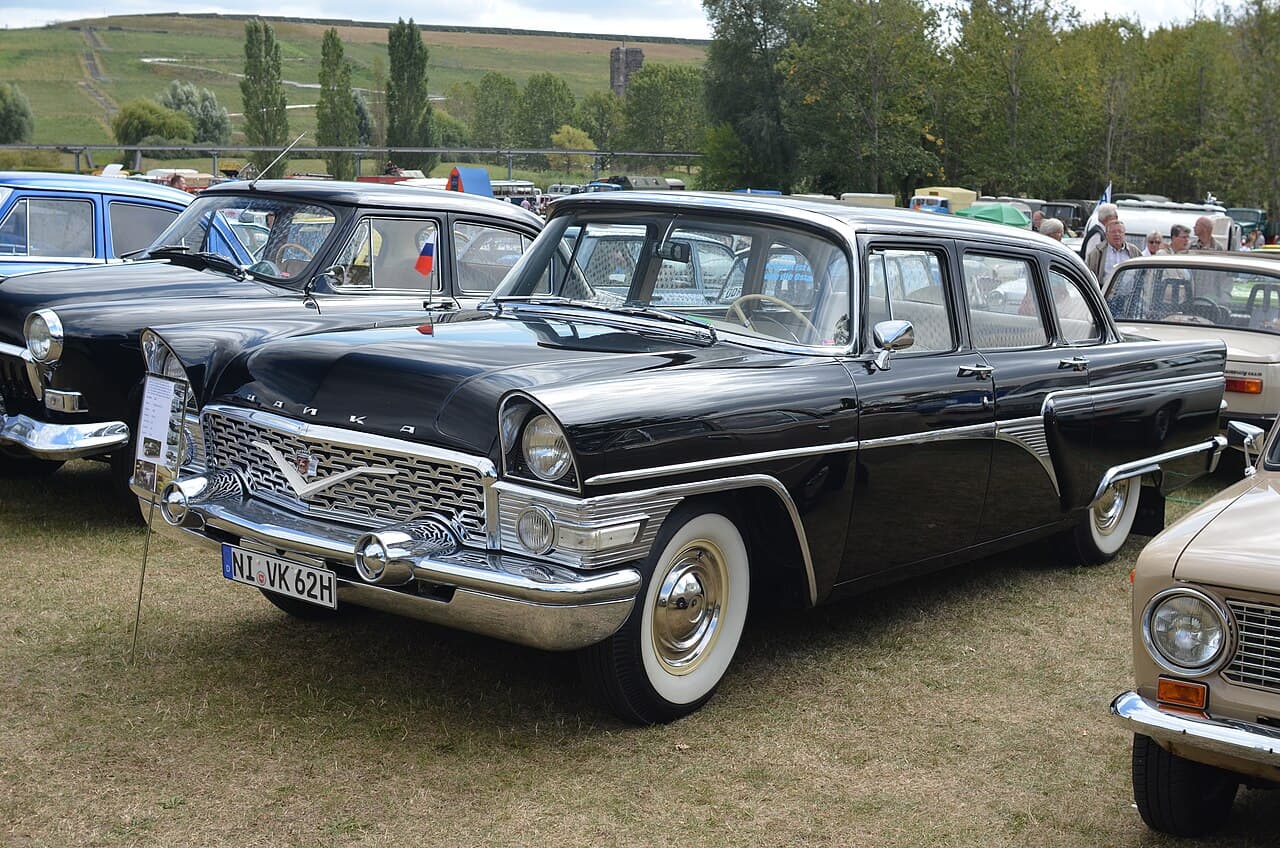
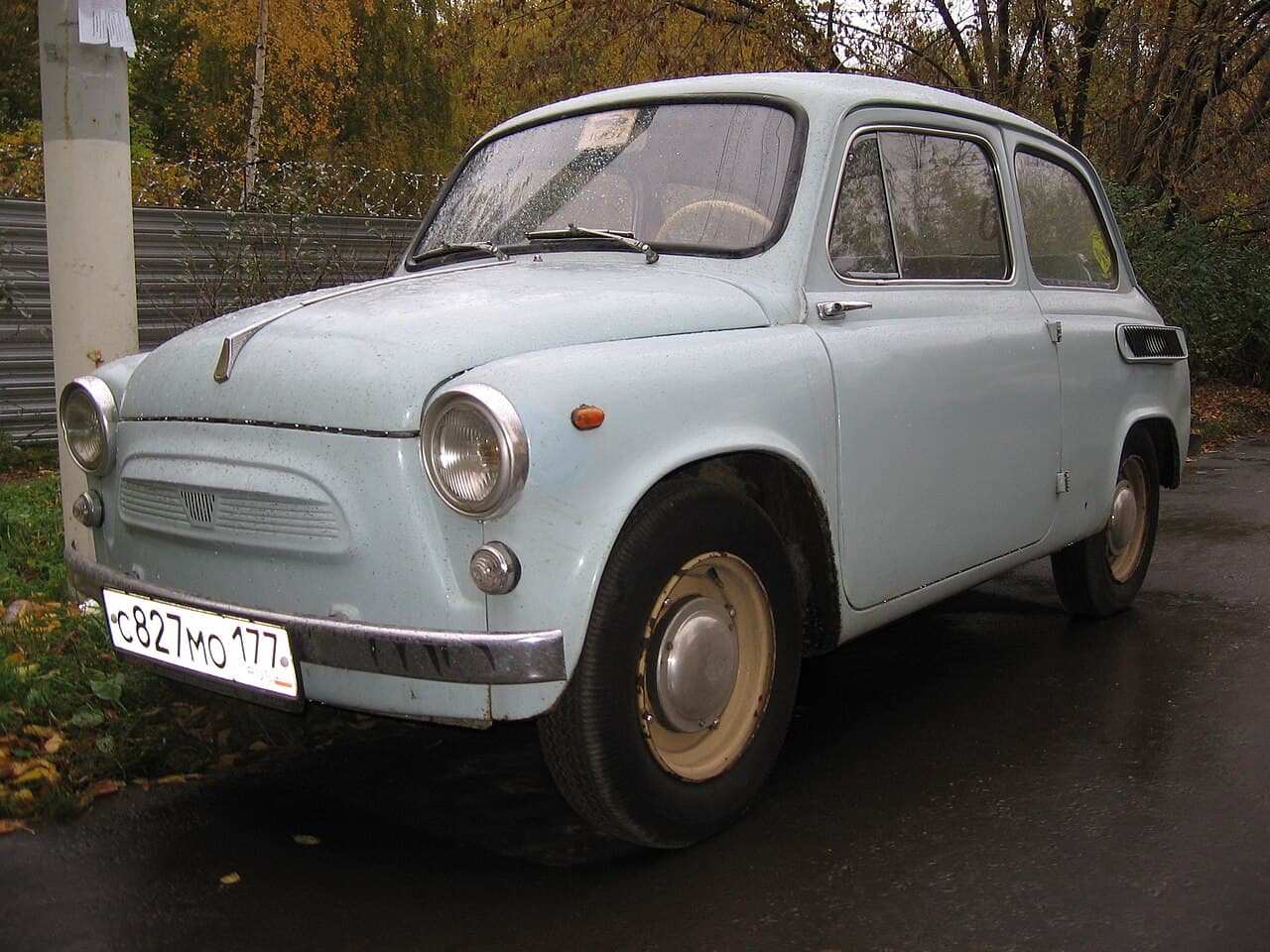
The era of Gagarin, the Cuban missile crisis and Soviet design at its most confident. The Chaika is a masterpiece for the elite, the hunchbacked Zaporozhets the butt of jokes and a favourite all the same, and the Moskvich-412 a rally legend. Soviet cars are exported to Europe and run strongly in international rally marathons.
The VAZ Revolution and Mass Motoring
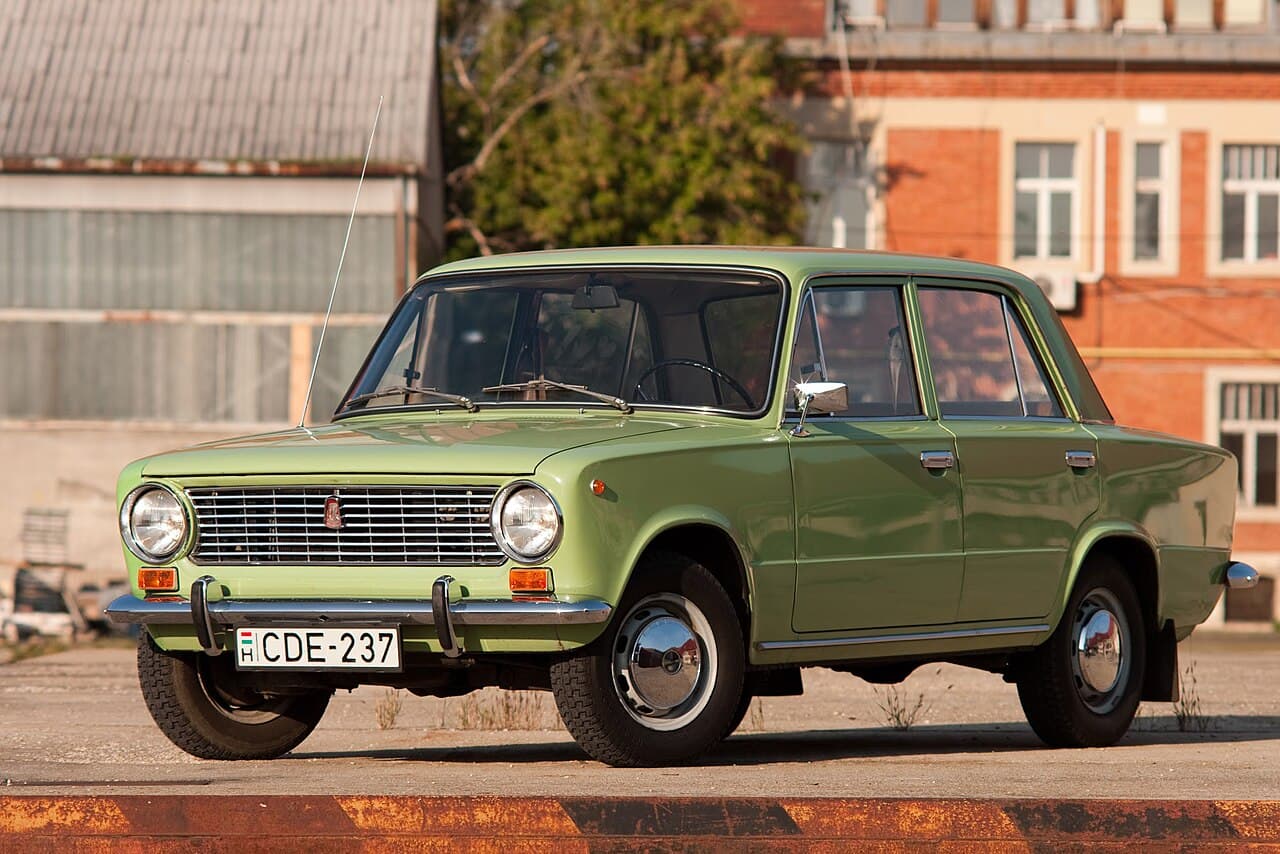
The era of “developed socialism” and mass motoring. The giant plant at Tolyatti, built with Fiat, turns out the Zhiguli — the most numerous car in Soviet history. The Niva appears, one of the first compact crossovers in the world. Garage co-operatives spring up across the country, a Soviet subculture of their own.
Perestroika and the Last Legends
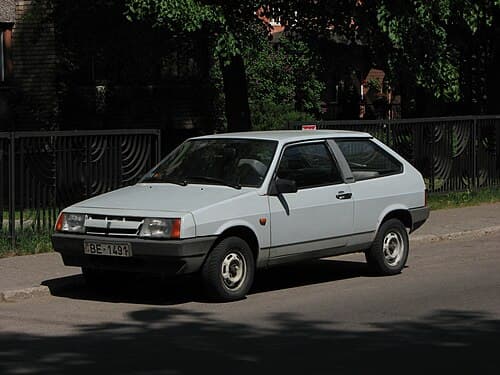
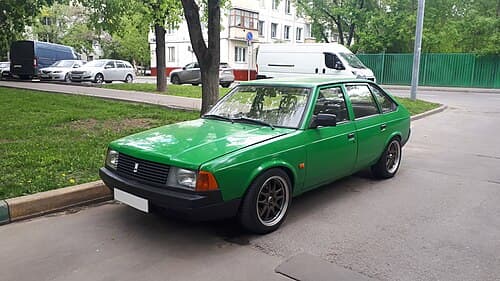
The last decade of the USSR. With advice from Porsche, VAZ creates the front-wheel-drive “vosmyorka”. AZLK launches the ambitious 2141, but the economic crisis never lets it reach its potential. The Moscow Olympics, perestroika, glasnost, the fall of the Berlin Wall — and the end of the Soviet Union in December 1991.